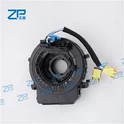
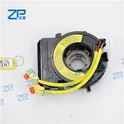
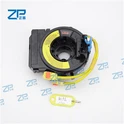
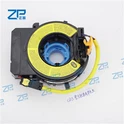
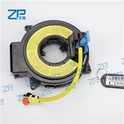
The differences between slip rings and clock springs extend beyond mechanical design, greatly impacting their performance, reliability, and long-term suitability in various applications. To ensure the optimal function of a system, understanding these distinctions is fundamental for users.
Starting with performance, the signal transmission quality of a slip ring or clock spring is a pivotal factor. While both components enable the transfer of electrical signals, each may handle variations in signal types differently, possibly resulting in disparity in data transmission rates. For instance, certain slip rings might be better suited to transmitting power but might struggle with high-speed data or sensitive signals. Conversely, some clock springs may excel at steady, low-power signal transmission.
Power ratings and operating speeds are also dependent on the specific designs and materials used. Given their robust construction, slip rings can manage higher power transmission and can tolerate high-speed rotations. Clock springs, although adept at handling varying rotation speeds, might have limitations when it comes to handling high-stress, high-power applications.
The service lifespan and maintenance requirements of both components are critical for assessing their long-term performance. Slip rings, subjected to increased wear due to their dynamic form of contact, might necessitate regular maintenance for brush and ring replacements. Conversely, clock springs, with their flexible and less-friction-based contact design, tend to have lower wear rates and reduced maintenance needs.
Delving into reliability and durability, both components have robust designs to withstand consistent use. However, factors such as the harshness of the operating environment, the quality of materials used, the precision of assembly, and the design of the component can influence their wear resistance and long-term performance.
By thoroughly understanding these performance and reliability differences, users can select the most suitable component for their systems, maximizing efficiency and optimizing longevity. These variations underline the importance of selecting a component that comprehensively aligns with the specific operational needs and constraints of the application in question.