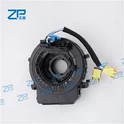
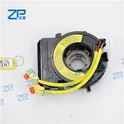
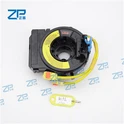
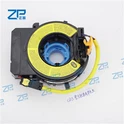
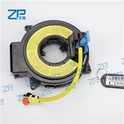
Clock springs and steering wheel wiring harness play different roles in a car. A clock spring is a dynamic element that keeps an electrical connection as the steering wheel wheel rotates, while a steering wheel wiring harness is a fixed line for static transmission of electrical signals. There are fundamental differences in their function, structure, installation location and the impact of failure. Here's a breakdown:
Functional differences:
- Clock Spring: As the steering wheel turns, it acts as a dynamic circuit carrier, maintaining a steady electrical connection to components such as airbags, horn switches and multifunction buttons through a spiral design of flexible flat cables inside. Its core value lies in solving the contradiction between steering wheel rotation and electrical connection, and ensuring real-time communication of key systems such as airbags.
- Steering wheel harness: The steering wheel harness serves as a transmission channel for static circuits that transmit electrical signals from the multifunction buttons on the steering wheel (such as sound control, cruise control, etc.) to the vehicle's electronic control unit for easy control of driving operations. Its function is more focused on signal transmission than dynamic connectivity.
Structural differences:
- Clock Spring: composed of flexible flat wire, rotatable housings, wire harness (conductive wire), connector and neutral pin. Its spiral structure allows the cable to be loosened or tightened in time for the steering wheel to turn, preventing line from breaking.
- Steering wheel harness: usually composed of multiple wires, mounted on the steering wheel frame or steering column by means of a fixed bracket or clamp. Its structure is relatively simple, relying mainly on the flexibility of wires to adapt to the steering wheel's slight vibration, but not to withstand the larger rotation.

Differences in installation Position:
- Clock Spring: Installed below the steering wheel combination switch or on a column tube sheet metal, connected directly to the center shaft of the steering wheel and rotated in sync with the steering wheel.
- Steering wheel Wiring Harness: wiring along the inside of the steering wheel frame or steering column, with one end connected to the steering wheel buttons and the other extending to the dashboard or center console of the vehicle, connected to an the ECU or other electronic module. It is relatively stationary and does not rotate with the steering wheel.
Fault impact differences:
- Clock Spring Damage: may cause safety airbag malfunction indicator light on, horn failure, steering wheel noise, control buttons malfunction, etc. If the clock spring fails during the crash, the airbag may not deploy properly, endangering passengers' lives.
- Steering Wheel Wiring Harness Fault: Typically manifests as a specific functional failure, such as an inaudible audio control buttons or an inability to activate cruise control. Such a failure would only affect the ease of driving and would not directly jeopardize safety.