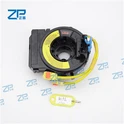
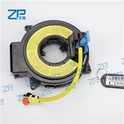
1.Fatigue and wear caused by prolonged use
The clock spring utilizes an internal flexible flat cable (FPC) that bends and stretches each rotating steering wheel. Over time, repeated bending can lead to metal fatigue in the cable, which can eventually lead to wire breakage or poor contact. This is one of the most common causes of clock spring failure.
2.steering wheel rotation too much;
If the clock spring is not fixed when removing steering gear, suspension or steering system-or if the steering wheel spins too much when the clock spring is not properly installed-the device may exceed its design rotation limit, causing an internal cable to break or be damaged by winding.
3.Improper installation or repair
Failure to follow standard procedures during repair,such as not centering the clock spring, setting it in the wrong orientation or causing it to be hit,can damage its internal structure and impair its function.
4.Traffic accidents or external effects
A collision between the steering wheel and steering column can deform the clock spring housing, disconnect internal cable or loosen the connector; the performance of the clock spring can be compromised even if the airbag is not deployed.

5. Environmental factors
Prolonged exposure to high temperatures, humidity, excessive dust or corrosion can accelerate the aging of plastic housings, cable insulation and metal conductors, reducing durability.
6. Electrical malfunction
Abnormal vehicle voltage, short circuit, poor connector contact or circuit overloads can damage internal wiring and interfere with the operation of airbags and other electrical components on steering wheels.
7. Component quality issues
Defects in materials, manufacturing processes or assembly quality can significantly shorten the clock spring's service life; in some models, design flaws can even lead to widespread failure.
8. Lack of maintenance and inspection
While clock springs are considered maintenance-free, when symptoms such as steering wheel noise, horn failure, multifunction button failure or an illuminated SRS warning light arise, failure to inspect and fix themcan escalate the problem and ultimately lead to a complete failure of the clock springs. Abstracts
Air bag clock spring damage is mainly due to long-term fatigue wear and tear, excessive rotation, improper installation or maintenance, collision impact, environmental aging, electrical fault, product quality problems, untimely inspection and other factors. Chronic fatigue/wear and tear and inadequate installation or maintenance were the two most common causes. Sticking to the correct maintenance procedures to avoid steering wheel rotation and checking when there are signs of trouble will help extend the life of the clock springs and ensure the airbag system is working properly.