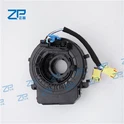
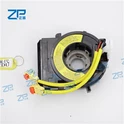
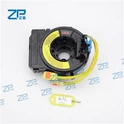
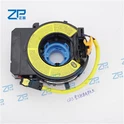
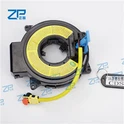
The steering wheel horn doesn't always work because of a problem with the clock spring; it could involve multiple components, including horn button contacts, wiring connections, relays, fuses and the horn itself. Here's a breakdown:
Clock Spring failure
Function: Clock spring is a key part of connecting steering wheel and electrical equipment, and is responsible for maintaining the horn circuit connected steadily as the steering wheel turns.
Symptoms: If the wiring harness inside the clock spring is damaged or has poor contact, the horn won't work when the steering wheel turns.
METHOD: Remove the steering wheel cover and inspect the hairspring for signs of wear or scorch. If it appears, replace it.
Horn Button Contact Issue
Contact oxidation: Over time, the contact of the horn button may oxidize, resulting in poor contact.
Contact Dislocation: Steering the steering wheel may cause button contacts shift, further aggravating the bad contact.
METHODS: Gently polish the contact surface with fine sandpaper to remove the oxide layer; or spray WD-40 rust remover to clean the contact.

Wiring Connection Issues
Loose Wiring Harness Connector: Turn of steering wheel may pull wiring harness connector, lead to loose wire harness connector or poor connection.
Broken wires: Broken wires may be due to aging or external forces, affecting the normal functioning of the horn.
Method of inspection: check wiring harness connector under steering wheel, re-plug and tighten; check wiring continuity using a multimeter.
Relay and Fuse Issues
Relay Failure: Relay control switch of horn circuit. If the relay breaks, the horn won't work.
Blown Fuse: Fuses are safety devices for circuits. If it explodes, it cuts off the loudspeaker circuit.
How to check: When honking, you hear a "click" (the click of a relay clicking) in the engine compartment. If there is no sound, check the relay; check that the fuse box marked "HORN" or "HORN" has exploded.
Horn of Africa health Issuess
Trumpet damage: Prolonged use or external forces may damage internal components of the horn, such as a burned-out solenoid coil or damaged diaphragm.
Inspection method: Disconnect the horn wire and contact the positive and negative poles of the battery directly to the horn terminals. If the horn doesn't work, it means the horn itself is damaged.