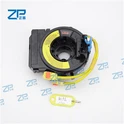
In our final chapter, we address a potent instrument in prolonging your clock spring's lifespan and ensuring your vehicle's safety: proactive maintenance and troubleshooting. By investing in preventive care and learning to troubleshoot common clock spring issues, you safeguard the dependability of your vehicle's key systems and, potentially, the lives of its occupants.
Care and Maintenance: Your Clock Spring's Close Allies
Preventive care and timely maintenance are the unsung heroes of vehicular longevity. Here are a few practical tips for keeping your clock spring in optimal condition:
1.Regular Inspection: Include clock spring inspection as part of your routine vehicle check-ups, particularly for cars with high mileage or those showing symptoms of a troubled clock spring. Early detection is your best defense against unforeseen issues.
2.Avoid Hard Steering Wheel Turns: Excessive force or turning the wheel to its extreme limits can strain the clock spring, causing it to wear out prematurely. So, treat it with a soft touch.
3.Heed the Warning Signs: Every driver should be vigilant about common clock spring failure signs discussed in Chapter 2. Do not ignore any unexpected inconsistency - bring it to your dealer's attention immediately.
Troubleshooting: Recognizing and Addressing Clock spring Problems
If your vehicle does start showing symptoms of a faulty clock spring, a systematic approach can help diagnose the issue. Some steps include:
1.Confirm the Symptoms: Ensure that the problems you're experiencing, such as the airbag light flashing or non-functional steering wheel controls, are consistent with a clock spring failure.
2.Consult a Professional: Unless you're extremely comfortable dealing with vehicular electronics, a professional mechanic should perform clock spring troubleshooting. A misstep could disable important safety features or worsen the problem.
3.Diagnostic Tools: Professionals might use tools like an ohmmeter to check the clock spring's continuity, confirming if there's a break in the electrical paths. This can provide concrete proof of a fault.