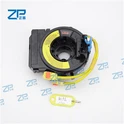
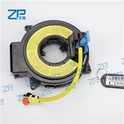
Clock springs, especially in the automotive field, are widely known as "airbag springs", which are an important component in the airbag system. Its main function is to maintain the electrical connection between the airbag and the steering wheel when the steering wheel turns, ensuring that the electrical signal of the airbag can be transmitted normally even if the steering wheel turns.
Broken or damaged: The clock spring contains delicate circuits and connecting wires inside, which may break or damage when used for a long time or subjected to external force. This failure usually causes the control buttons on the steering wheel (such as volume control, phone answering, etc.) to fail, and may even cause the airbag system to not work properly.
Poor contact: Because the clock spring needs to twist frequently with the turning of the steering wheel, the electrical connection points inside it may wear or loosen, resulting in poor contact. This will cause the electrical signal to be unstable or interrupted, affecting the use of related functions.
Reduced elasticity: Over time and frequent use, the elastic material of the clock spring may gradually age, resulting in reduced elasticity. This affects its flexibility to turn with the steering wheel, and in turn affects the stability of the electrical connection.
Twisted or kinked wire harness: If the clock spring's wire harness is not properly secured or managed, it may become tangled or twisted during steering wheel rotation. This can affect the transmission of electrical signals and may damage the harness or the clock spring itself.
Improper installation: When installing or replacing a clock spring, improper installation or failure to follow the manufacturer's instructions may cause the clock spring to not function properly or fail prematurely.